





Clinical intelligence for care teams and clinical trials

The medical record already knows. We make sure someone acts.

Cognimark reads the records you already have and gives each care team a short, prioritized list of patients with signs of cognitive decline that were never diagnosed or followed up, with the evidence attached. No new tests. No new workflow. Trial sponsors use the same signal to find eligible patients.

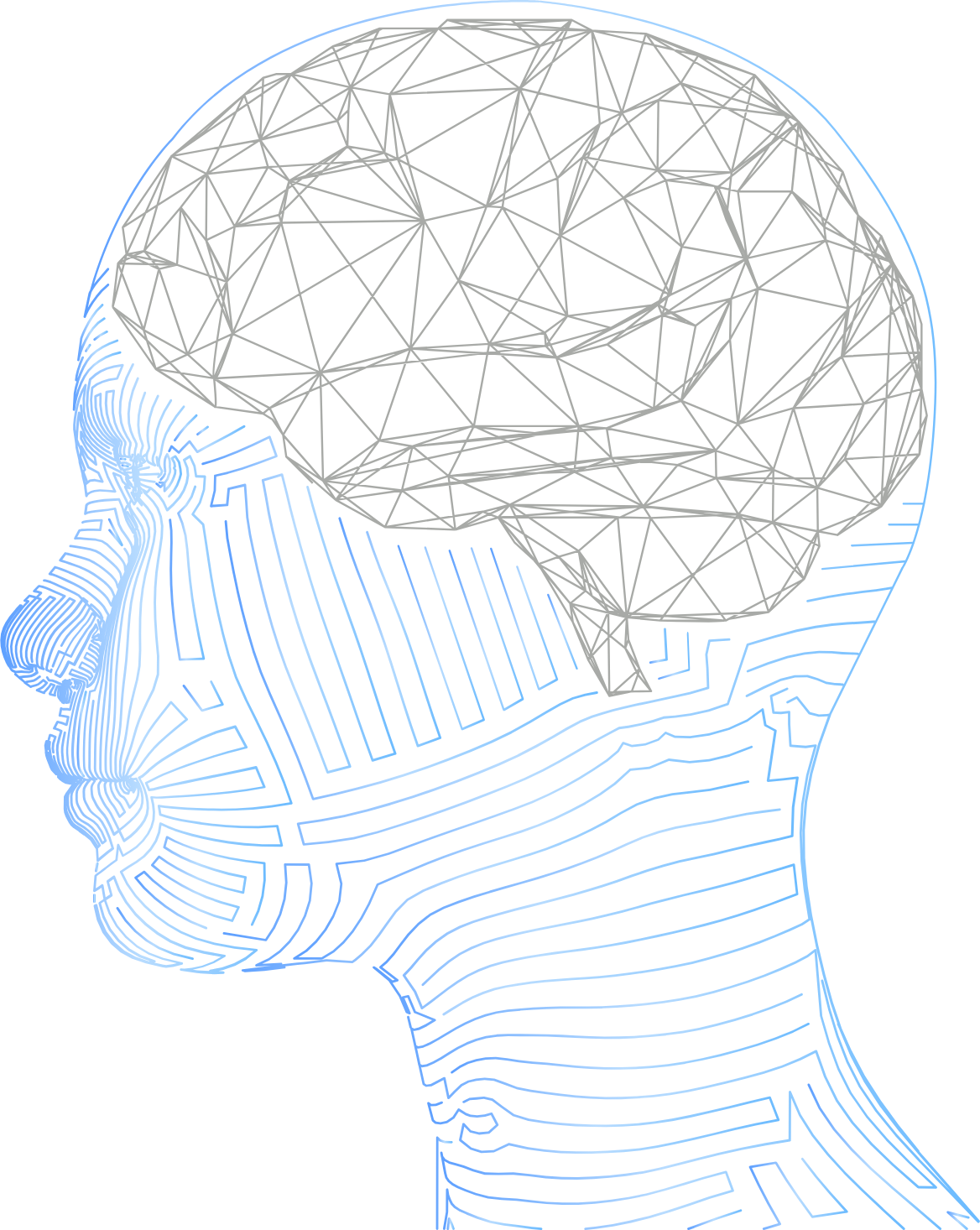
Neural profile illustration

Supported by

MIT
Boston University
NSF I-Corps
StartUp Health
Martin Trust Center for MIT Entrepreneurship
MIT $100K
University of Southern CaliforniaUniversity of Southern California
Products

Two products. One engine.

Panorama shows your teams everyone who needs follow-up. Lens puts that finding in front of the clinician, inside the chart. Most organizations start with Panorama and add Lens once the value is clear.

Web app

Cognimark Panorama

Your whole population, at a glance.

Panorama is the web app for the teams that run programs: quality, population health, care management and research. It brings your records into one workspace, where teams see the whole population, ask questions in plain language and work ranked lists of patients who need follow-up or may qualify for a study.

  • A population overview of every patient, record and data source
  • Plain-language questions answered with source-backed tables and charts
  • Cohort review and patient timelines, with evidence linked to the record
  • Study recruitment: set criteria and review ranked candidates
Built for
Quality, population health, care management, research and trial teams
Getting started
Starts from a scoped data extract. No EHR integration needed.
See Panorama in a demo

Inside the EHR

Cognimark Lens

One patient, in focus, in the chart.

Lens brings the same findings into the patient's chart, so clinicians see them at the point of care. It opens from within the EHR with the patient already in context, and shows what Cognimark found, where it came from and a suggested next step.

  • Opens from the EHR's apps panel, with the patient already in context
  • A concise summary of cognitive signals across visits
  • Source evidence one click away
  • A suggested next step that the clinician reviews and decides on
Built for
Clinicians and care teams at the point of care
Works with
Epic, athenaOne and eClinicalWorks
Getting started
Added once Panorama has shown value, through a standard EHR app launch.
See Lens in a demo

Illustrations use synthetic data, not real patients. Epic, athenaOne and eClinicalWorks are trademarks of their respective owners.

Platform

A short list your team can act on.

Cognimark works from whatever your organization already captures, including notes, labs, assessments, imaging and medications, and treats missing data as normal. It identifies patients for review. Your clinicians decide what happens next.

Imaging

MRI & neuroimaging

Text

Clinical notes & history

Assessment

Cognitive & functional tests

Labs

Laboratory results

Structured

Demographics & meds

Any subset

Works with what you have

A prioritized worklist

Patients whose records show signs of cognitive decline with no diagnosis or follow-up, ranked for review.

Evidence you can check

Every flag links back to the note, lab or assessment it came from.

No new burden

No new tests, visits or screening steps for patients or clinicians.

Clinicians decide

Cognimark identifies. Your clinicians review the evidence and choose the next step.

Starts with an extract

Begin in Panorama from a scoped data extract, then bring findings into the chart with Lens once value is clear.

Built on peer-reviewed science

Methods published in Nature Medicine, Nature Communications and Brain.

  1. 1

    Connect

    Start from a scoped extract of the records your organization already keeps.

  2. 2

    Understand

    Notes, labs, assessments and medications are read together, with every signal traced to its source.

  3. 3

    Act

    Care teams get a short, prioritized list of patients who need evaluation, referral or follow-up.

Sample result

From scattered notes to one actionable signal.

Signs of decline are often spread across visits and departments. Cognimark brings them together into a single worklist entry. Illustrative synthetic example, not a real patient.

In the record today

  • Discharge summaryLeft MCA ischemic stroke. Hypertension, atrial fibrillation.
  • Neurology, 3 moWife reports he repeats questions; missed two medication doses.
  • Physical therapySlower to follow multistep instructions.
  • Primary care, 6 moNow needs help with bills. MoCA 21/30.
  • Problem listNo cognitive diagnosis recorded.

Worklist entry

DEMO-0417 · 9 months after stroke

Evidence of cognitive decline
Present across 4 independent sources
Pattern
Vascular contribution likely; neurodegenerative not excluded
Gap
No cognitive diagnosis or follow-up evaluation on record
Suggested next step
Formal cognitive evaluation

Every line links back to the note it came from.

See what Cognimark finds in a population like yours.

Book a demo
In practice

No clinician can read 600 records before a visit.

At one specialty neurology practice, Cognimark read every record in the extract it was given: notes, medications, observations and documents. That is the volume behind each appointment, and why patients who need follow-up get missed.

patients
13,000+
records
8M+
records per patient, on average
600+
patients over 65
6 in 10

Rounded, aggregate counts from a single customer deployment. No patient-level or identifying information is shown.

The economics

Every patient found is care you can deliver, document and be paid for.

Undiagnosed cognitive decline is not just a quality gap. It is follow-up that never happens, care that goes unbilled and risk that never reaches your contracts.

~550 people likely living with undiagnosed dementia in every 10,000 patients over 65

About 1 in 9 Americans over 65 lives with Alzheimer's dementia, and about half of people with dementia have never received a formal diagnosis. Most of them are already in your records. Cognimark finds them and puts them in front of the team that owns follow-up.

Illustrative estimate from national rates (Alzheimer's Association, 2026 Facts and Figures). Your population will differ. We estimate it with you in a demo.

Care you can deliver and bill

A documented finding opens the follow-up Medicare already covers: cognitive assessment and care-planning visits, chronic care management, and Medicare's dementia care program, which pays participating practices monthly per enrolled patient.

Stronger value-based results

Complete, accurate documentation of cognitive conditions supports quality measures and risk-adjusted contracts, so the care your teams already provide is reflected in your results.

Fewer avoidable costs

Unrecognized cognitive impairment drives readmissions, falls, medication errors and emergency visits. Finding it earlier lets care teams plan around it.

Research and trial access

The same worklist identifies candidates for Alzheimer's trials and new therapies, bringing sponsor-funded studies and new treatment options to your patients.

Who it's for

Built for the teams that own follow-up

Care delivery

Health systems and ACOs

Close cognitive care gaps in older adults and support quality and total-cost-of-care goals, starting from data you already hold.

Neurology practices

Find patients eligible for Medicare's dementia care program, and stroke survivors who were never cognitively re-assessed.

Community health centers

Reach the patients most likely to be diagnosed late, using the records clinics already keep.

Clinical development

<1%of eligible patients reach Alzheimer's trials today. Most are already in a health system's records, unidentified.

Pharma and biotech sponsors

Find likely-eligible patients inside real-world health systems before sites are activated. Sharpen feasibility estimates and shorten the path to enrollment.

CROs and trial sites

Replace manual chart review with a ranked list of likely-eligible patients, each with the evidence a coordinator needs to confirm.

Company

Make earlier insight part of routine care.

Cognimark is a Boston University spinout. Our platform is in use today at a specialty neurology practice and a national network of community health centers, starting with cognitive decline, one of the most under-recognized conditions in medicine.

Identify risk earlier

Recognize neurological signals in the record before they are overlooked.

Support clinical judgment

Present attributable insight clinicians can review in context.

Guide the next step

Route patients toward appropriate evaluation, care, or research.

Recent milestones
Featured in the CTRL 2025 Symposium report

MIT Ignite

Finalist among 100+ generative AI teams

MIT $100K

Finalist at the MIT $100K Competition

MIT Sloan Healthcare

Healthcare & BioInnovations finalist

Contact

See what's hiding in your population.

Tell us about your organization and the patients you care for or need to find. In a 30-minute demo, we'll show the platform on a realistic example and walk through what a population like yours is likely to yield, and what that follow-up is worth.

Health systems and ACOsNeurology practicesPharma and trial sponsorsProduct demos

Please do not include patient or protected health information.